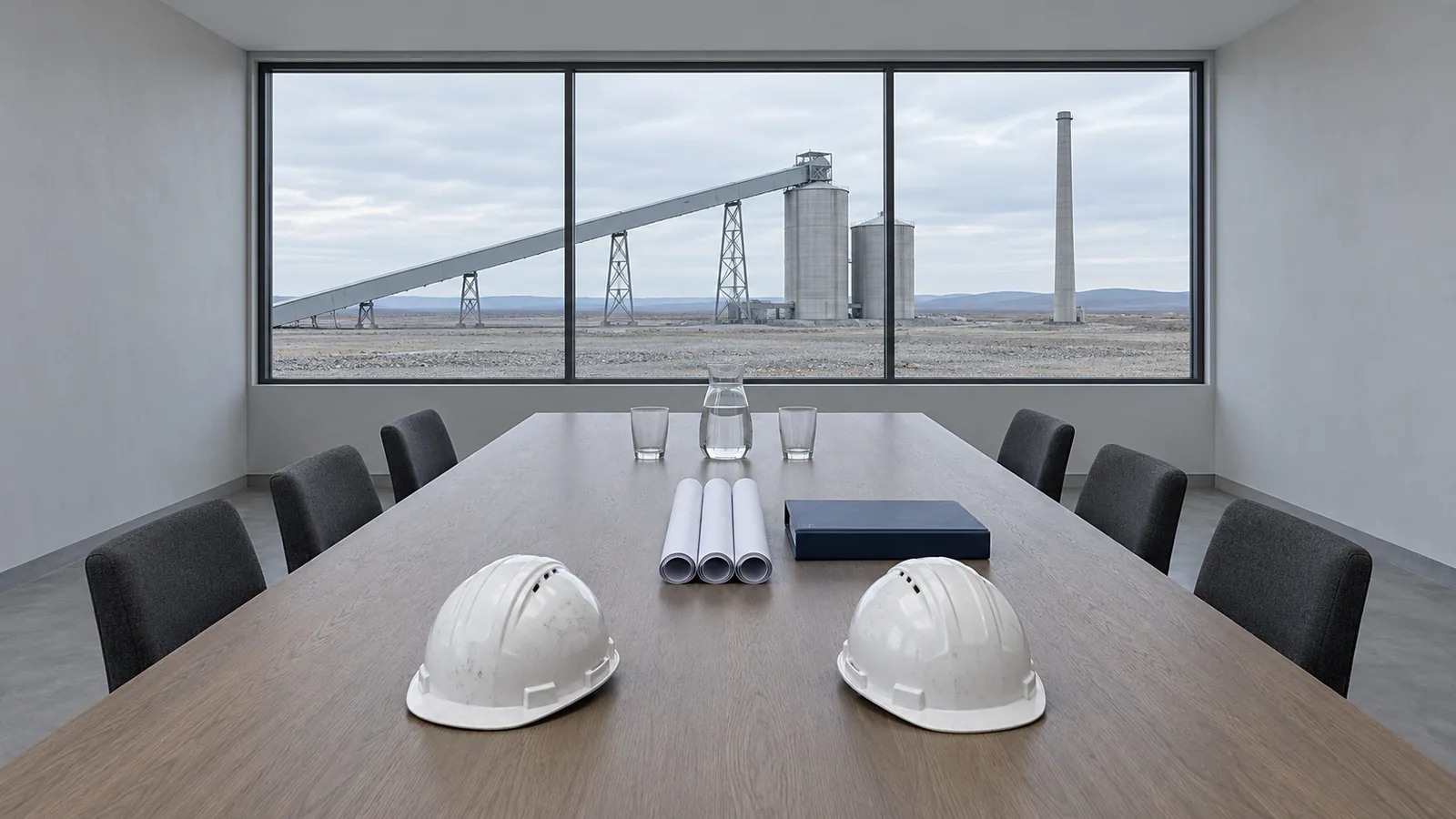
Safer, more reliable, more profitable operations.
Shivaan Asset Management is a Brisbane-based asset management and reliability consultancy for the heavy asset industry. Our reliability engineers, asset management professionals and CMMS specialists start from your objectives and finish in your own systems, with our technology team's AI models and internal tools accelerating delivery.

Our clients







Outcomes from our published case studies
6 days a year
minimum uplift in critical equipment availability and production throughput
Underground copper mine, across eight critical systems.
4,390 failure risks
on critical equipment reassessed from class A down to class C once the approved strategies were in place
The same copper mine, rated on the client's own A to F business risk scale.
78%
failure-code use by maintenance crews, up from none
Global mining operation on SAP, measured before the standard codes went in and after eight months of use.
51% of the planned budget
spent on asset management system documentation aligned with ISO 55001, delivered in 36 days against a 70-day plan
Global mining and metals operation.
Different sectors, the same failure mechanisms.
We have worked in mining, manufacturing, oil and gas, rail, refineries, smelting and defence. The same equipment classes, from pumps and valves to conveyors, recur across them, so a method that works on one plant carries to the next.
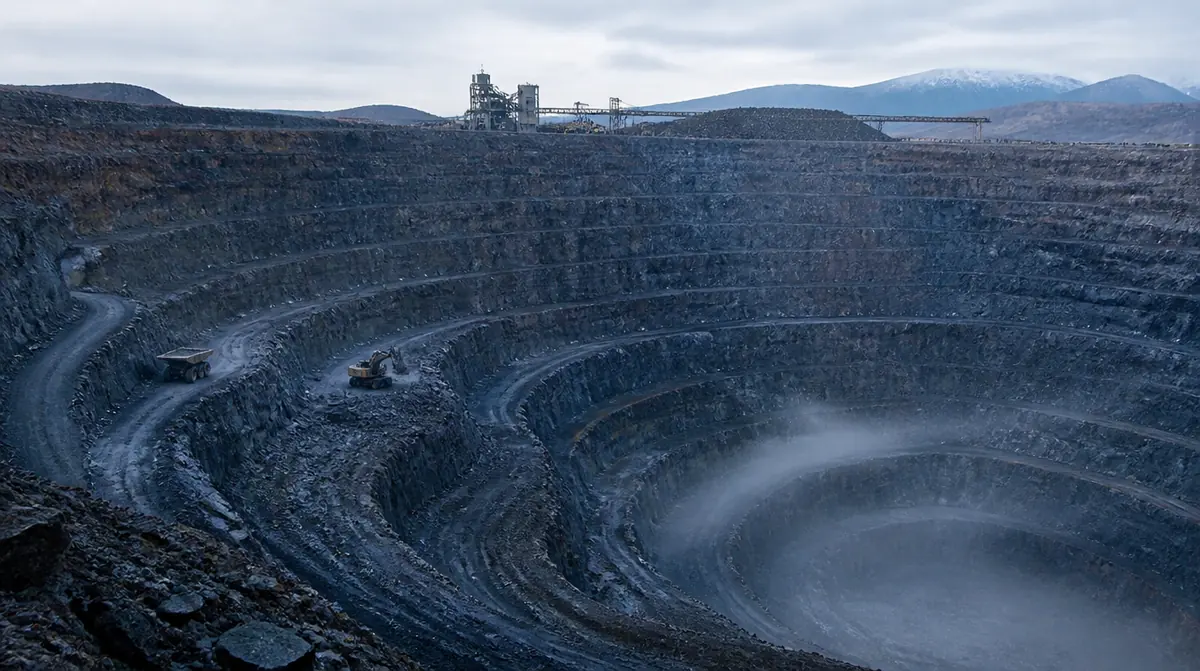
Mining
Fixed and mobile plant, underground and surface, where one maintainable item can hold up the whole production chain.
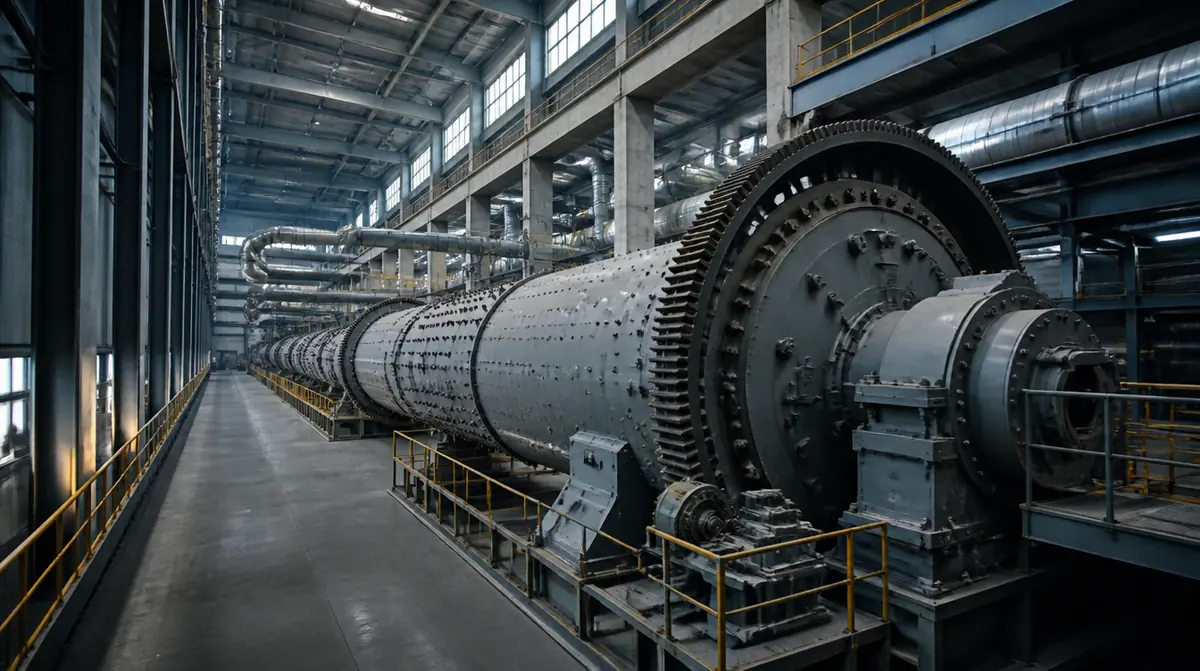
Manufacturing
Continuous process plant, where installed capacity is available but stable, repeatable use of it is not.
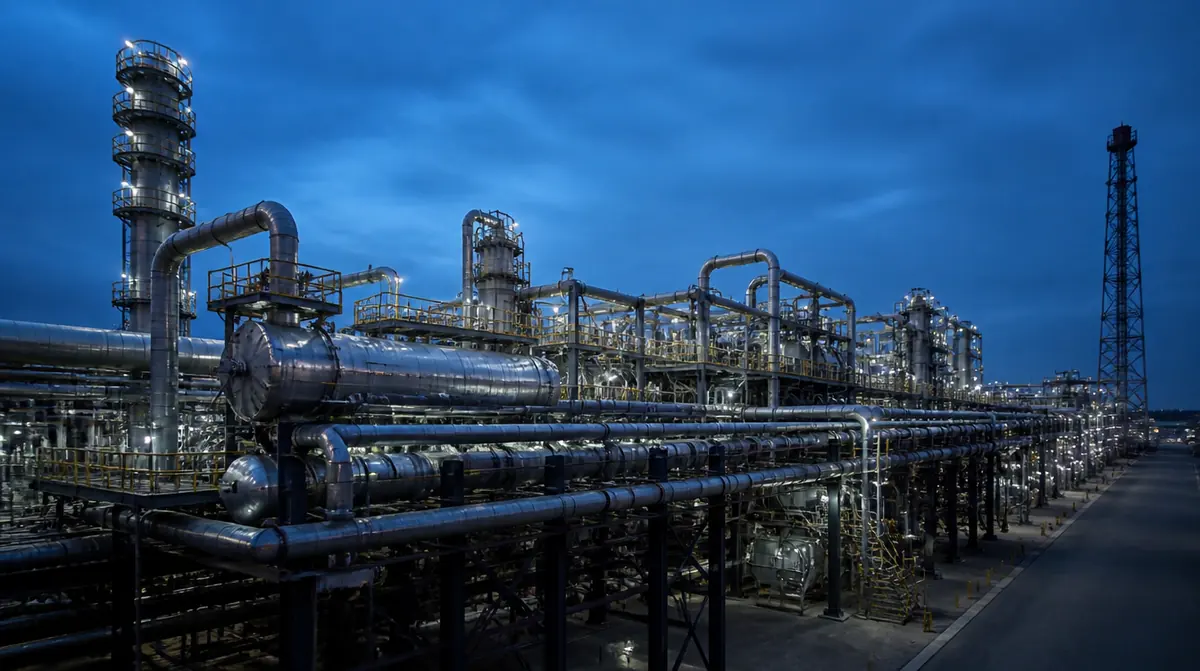
Oil and Gas
Upstream and processing plant, where the failure history is buried in free-text work orders nobody can analyse.

Rail
Rolling stock and fixed infrastructure, held to a design-stage safety case that has to be demonstrated, not asserted.
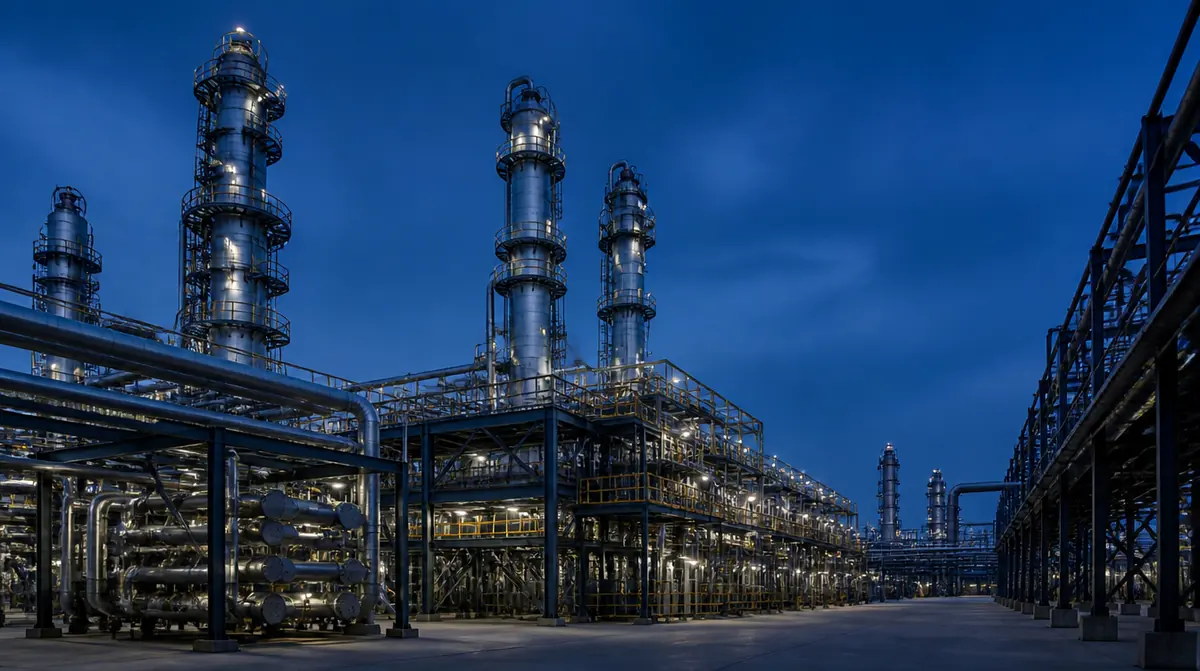
Refineries
Rotating and fixed equipment under continuous duty, where an unplanned trip is counted in days, not hours.
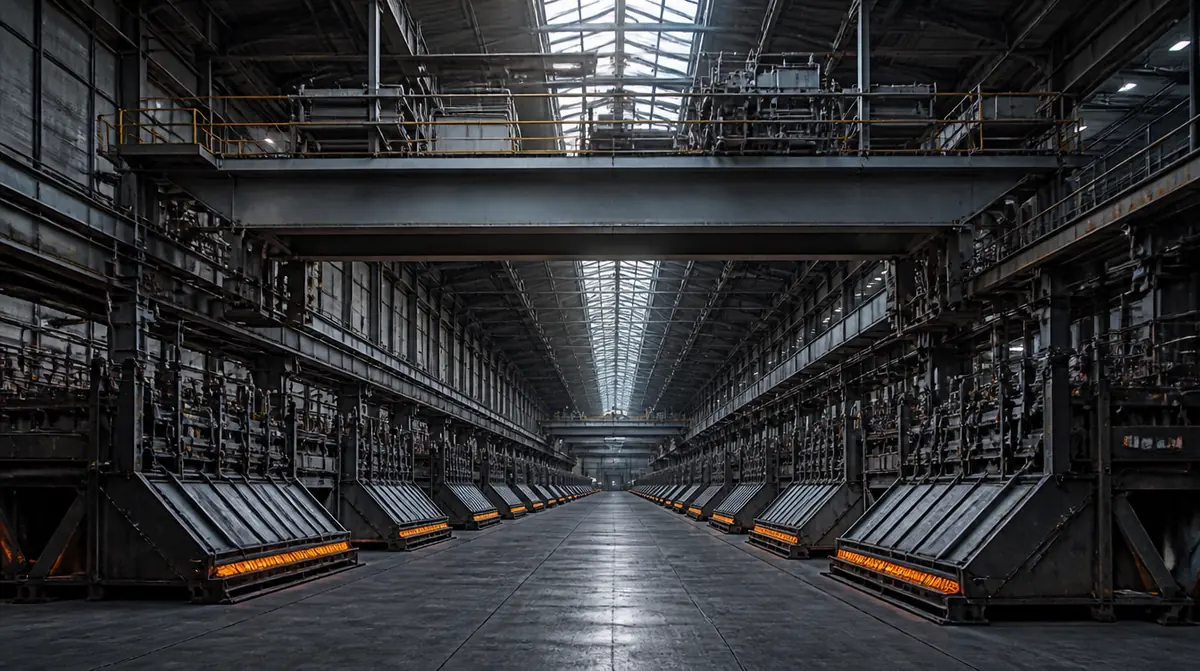
Smelting
Potlines, casthouses and reduction plant, where a single outage cascades across the line.

Defence
Systems whose safety case has to survive independent design assurance before anything is accepted.
From asset management policy to the failure code your crews select.
Five services cover the whole asset lifecycle. Take them as one programme or one at a time.
Integrated asset lifecycle
- Business & Stakeholder NeedsThe asset management system, policy and SAMP that connect organisational objectives to the way assets are managed.
- Design & System EngineeringRAMS study and analysis used to configure systems to meet required performance at acceptable risk, before equipment is bought.
- Operational ReadinessTaking a project from design and construction to an operation whose people, processes and assets are ready to run and maintain it.
- Operation & MaintenanceGetting more from assets already in service, optimising strategy against real failure data and keeping the CMMS data accurate.
- Continuous ImprovementHierarchy, criticality, strategy, master data and performance measures audited against the standard, then improved.
We turn the failure modes from your RCM or FMECA into standardised, asset-specific codes for your CMMS: catalog profiles in SAP PM, or failure classes with problem, cause and remedy codes in IBM Maximo.Aligned with the ISO 55000 series for asset management, and with EN 50126, IEC 61508 and ISO 31000 for RAMS and risk.
Asset data that reads the same at every site.
The Data Standardisation and AI Readiness Framework is our documented method for taking asset data kept a different way at every site to one standard that reporting, benchmarking and AI can rely on.
- 01
Discover
Understand what exists and how to classify it.
- 02
Structure
Break assets down and agree the terminology.
- 03
Standardise
Turn knowledge into reusable libraries and CMMS-ready codes.
- 04
Govern
Keep the data trusted, owned and improving.
- 05
Activate
Put the standardised data to work in reporting, optimisation and AI.
What our work delivered, by sector.
Every line below is taken from a case study published on this site.
Mining
Asset-specific maintenance strategies loaded into SAP PM before handover at a greenfield potash mine, with failure and cost dashboards set up to trend from day one.
Manufacturing
Fewer rejects and steadier mill operation reported within three months at a cement plant, with more confident planning of grinding-media recharges and less dependence on one person's undocumented knowledge.
Smelting
Three aluminium smelters ranked on one criticality basis, each with its own Strategic Asset Management Plan, and 23 Asset Management Plans for business-critical asset types.
Rail
Reliability and safety assurance for a major urban rail programme, with all 7 core deliverables complete by the end of detailed design.
Oil and Gas
Decades of free-text ball valve work orders classified by failure mode for a global oil and gas operator, with a confidence level on every result and ambiguous records flagged for review.
Defence
Systems engineering safety assurance on a defence communications network modernisation, across four work streams: design FMECA, hazard log, fault tree analysis and design assurance reports.
Start with the asset you worry about most.
A first conversation covers that asset, its data and the business objective it has to meet. You leave knowing where to begin.