Operational Readiness for a Greenfield Potash Mine

Shivaan Asset Management built a greenfield potash mine's asset classification and maintenance strategies from a blank sheet, and loaded them into SAP PM before handover.

Assets defined before first production
200+

Classified across 50 asset classes, 58 asset class types and 64 variations, at functional location level.

Operational readiness for a greenfield potash mine

At a glance

Sector
Mining
Scope
Operational readiness: classification, maintenance strategies, maintenance bundling, SAP Plant Maintenance (SAP PM) integration, standards, governance and dashboards
Systems
SAP PM
Delivery
One standard, procedure and governance process for operations and future capital expenditure (CAPEX) projects

Key takeaways

  • A greenfield mine approaching first production with no failure history, no structured asset master data and no maintenance strategies to inherit.
  • Coverage spans underground mobile, fixed plant, processing and infrastructure assets, including vertical shaft assets and the conveying systems up to the shaft headframe.
  • Failure and cost dashboards were set up for engineers and maintenance managers, ready to trend from day one.
  • The standard, procedure and governance stay with the operation, so future capital projects follow the same process, data and standards.

The situation

First production was approaching, and there was nothing behind it: no failure history, no structured asset master data, no maintenance strategies, and no established process for building them. Everything an operating site inherits over decades, this greenfield potash mine had to create before day one.

Operational readiness decides what that first day looks like. Built early, the maintenance team starts with strategies already in SAP Plant Maintenance (SAP PM) and data that begins trending from the first shift.

Our approach

Shivaan Asset Management applied the same approach it proved standardising asset data across global mining operations: classify the assets and define their boundaries, structure the hierarchy, build the failure knowledge, then translate it into the maintenance system the teams will use.

  • Asset classification defined for 50 asset classes, 58 asset class types and 64 asset class type variations, covering 200+ specific assets at functional location level
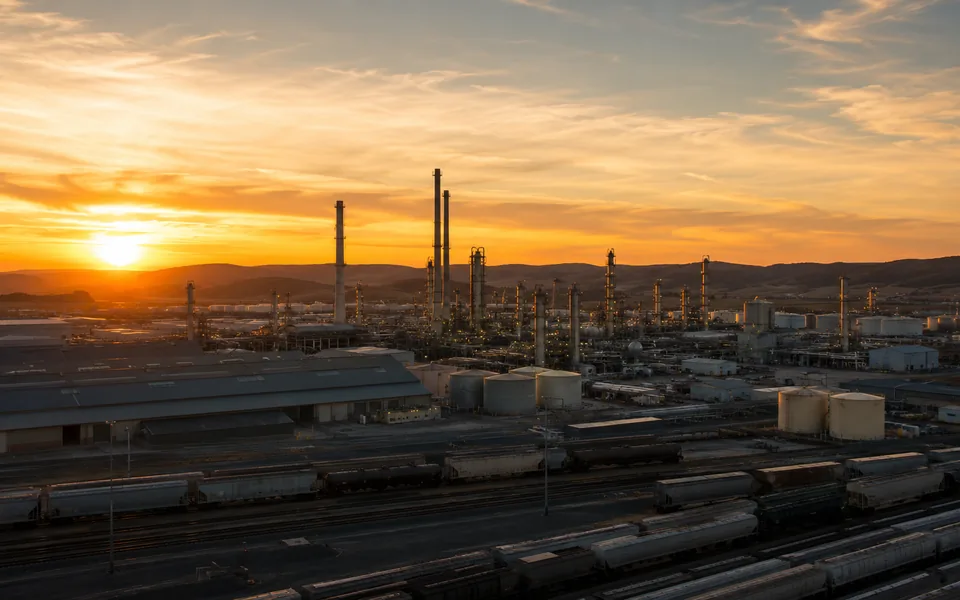
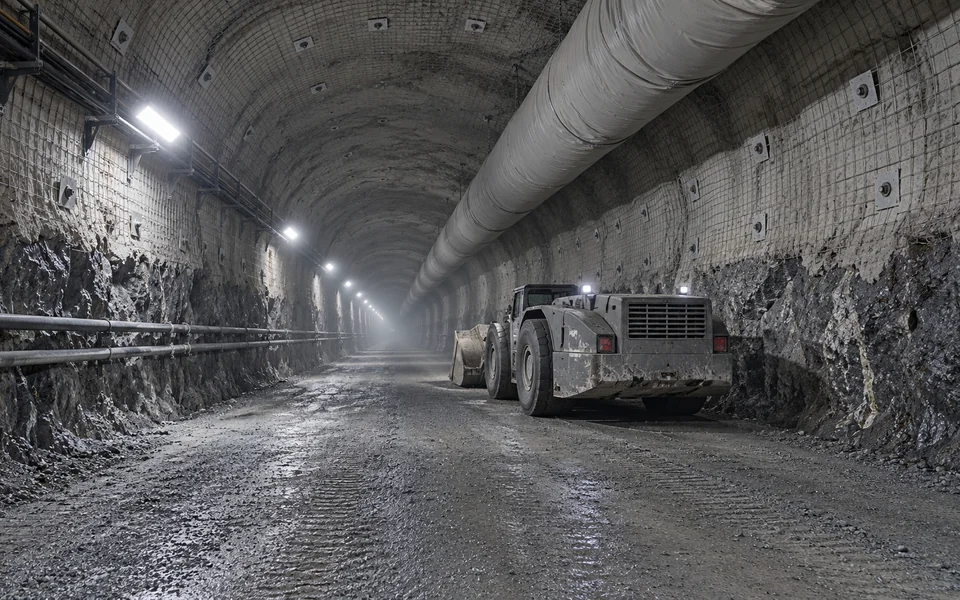
  • Coverage across underground mobile, fixed plant, processing and infrastructure assets, including vertical shaft assets and the conveying systems up to the shaft headframe
  • Asset-specific maintenance strategies developed for the assets in scope
  • Maintenance strategies bundled for maintenance planning, and loaded into the client's SAP PM
  • The standard, procedure and governance process built around the work, so operations and future capital expenditure (CAPEX) projects follow the same standard, data and procedure
  • Initial failure and cost dashboards set up for engineers and maintenance managers

See the same approach at global scale

How asset classes, class types and variations are defined

What changed

The plant reaches handover with maintenance strategies already in SAP PM, bundled and ready for planning, and with failure and cost dashboards in place for its engineers and maintenance managers, set up so the operation's data starts trending from day one.

Just as important is what happens next. The standard, procedure and governance behind the work stay with the operation, and future CAPEX projects follow the same process, data and standards, so the asset base keeps one shape as the mine grows.

  • Maintenance strategies and bundling live in SAP PM at handover
  • Failure and cost dashboards in place for engineers and maintenance managers, set up to trend from day one
  • A governed standard and procedure for operations and for future CAPEX projects
  • An asset data foundation built once, to one standard, from day one

The framework behind this work, phase by phase

Frequently asked questions

What does operational readiness cover on a greenfield mine?

Everything an operating site normally inherits over decades and a new one has to create before day one: asset classification, asset-specific maintenance strategies, maintenance bundling, loading it all into SAP Plant Maintenance (SAP PM), and the standard, procedure, governance and dashboards that hold it together.

How much of the asset base was covered?

The classification reached across the whole asset base: 50 asset classes, 58 types and 64 variations, with 200+ assets defined at functional location level. That spans underground mobile, fixed plant, processing and infrastructure assets, including vertical shaft assets and the conveying systems up to the shaft headframe.

What is in place at handover?

Maintenance strategies already live in SAP PM, bundled and ready for planning, and failure and cost dashboards in place for engineers and maintenance managers, set up so the operation's data starts trending from the first shift rather than months later.

What happens after handover?

The standard, procedure and governance built around the work stay with the operation. Future capital expenditure (CAPEX) projects follow the same process, data and standards, so the asset base keeps one shape as the mine grows.

Ready to get the same outcome?

Show us the asset system you are trying to improve, and we will map how this approach would apply to it.